Our Indoor Environments
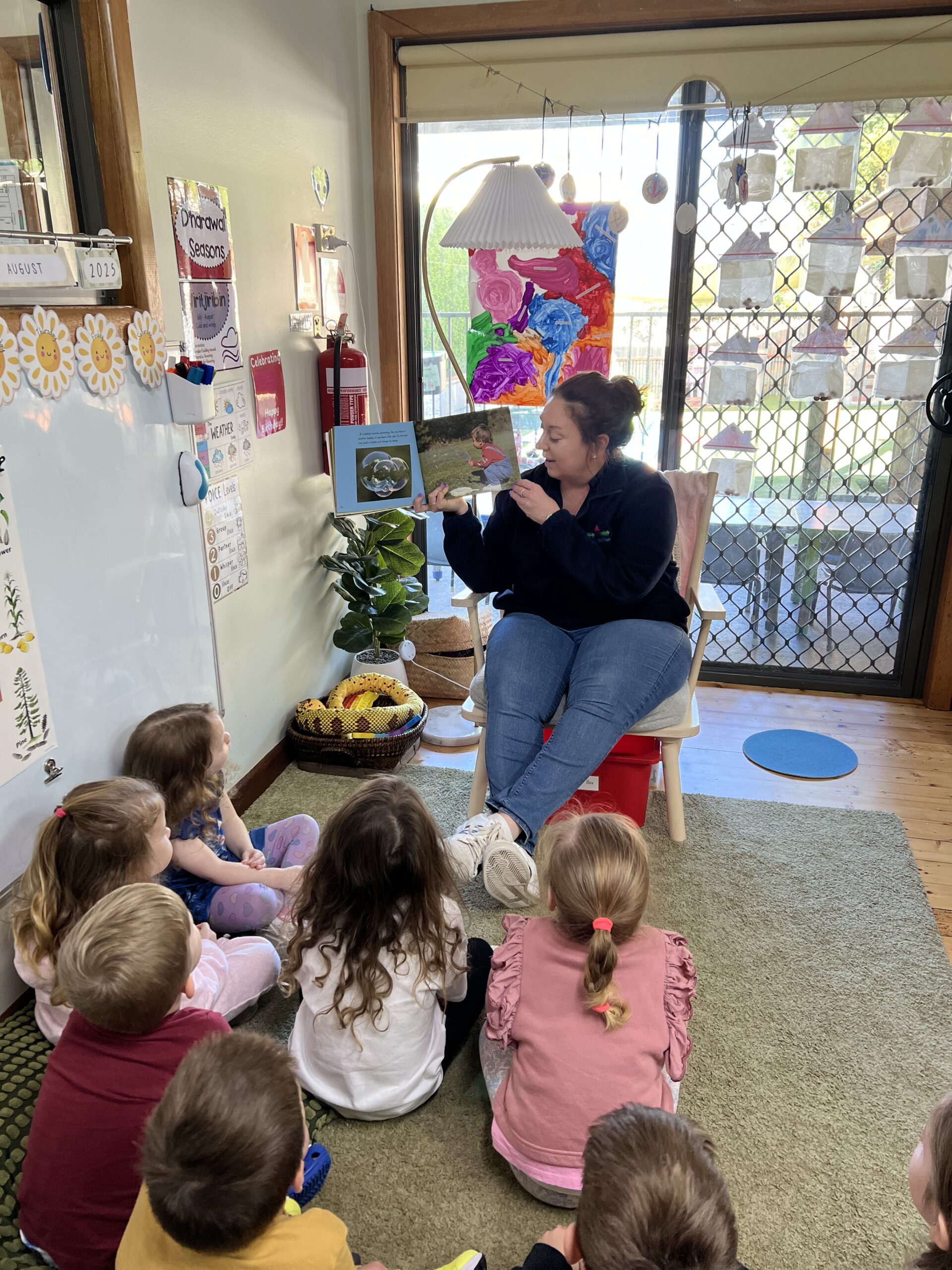
Our indoor environments provide inviting and engaging spaces where children can explore, create and learn through play.
Educators thoughtfully arrange learning areas that support a variety of experiences including creative arts, construction, dramatic play, literacy and quiet spaces for rest and reflection.
These environments encourage children to develop independence, explore their interests and engage in meaningful learning experiences.
The indoor environment is regularly adapted to reflect children’s interests and support their ongoing development.
Mulligrub Room (1-3 years)
The Mulligrubs room supports our youngest learners as they begin exploring the world around them. In this nurturing environment, children are encouraged to develop confidence, curiosity and a strong sense of belonging.
Educators focus on building secure and trusting relationships with each child, creating a calm and supportive space where children feel safe to explore and learn at their own pace.
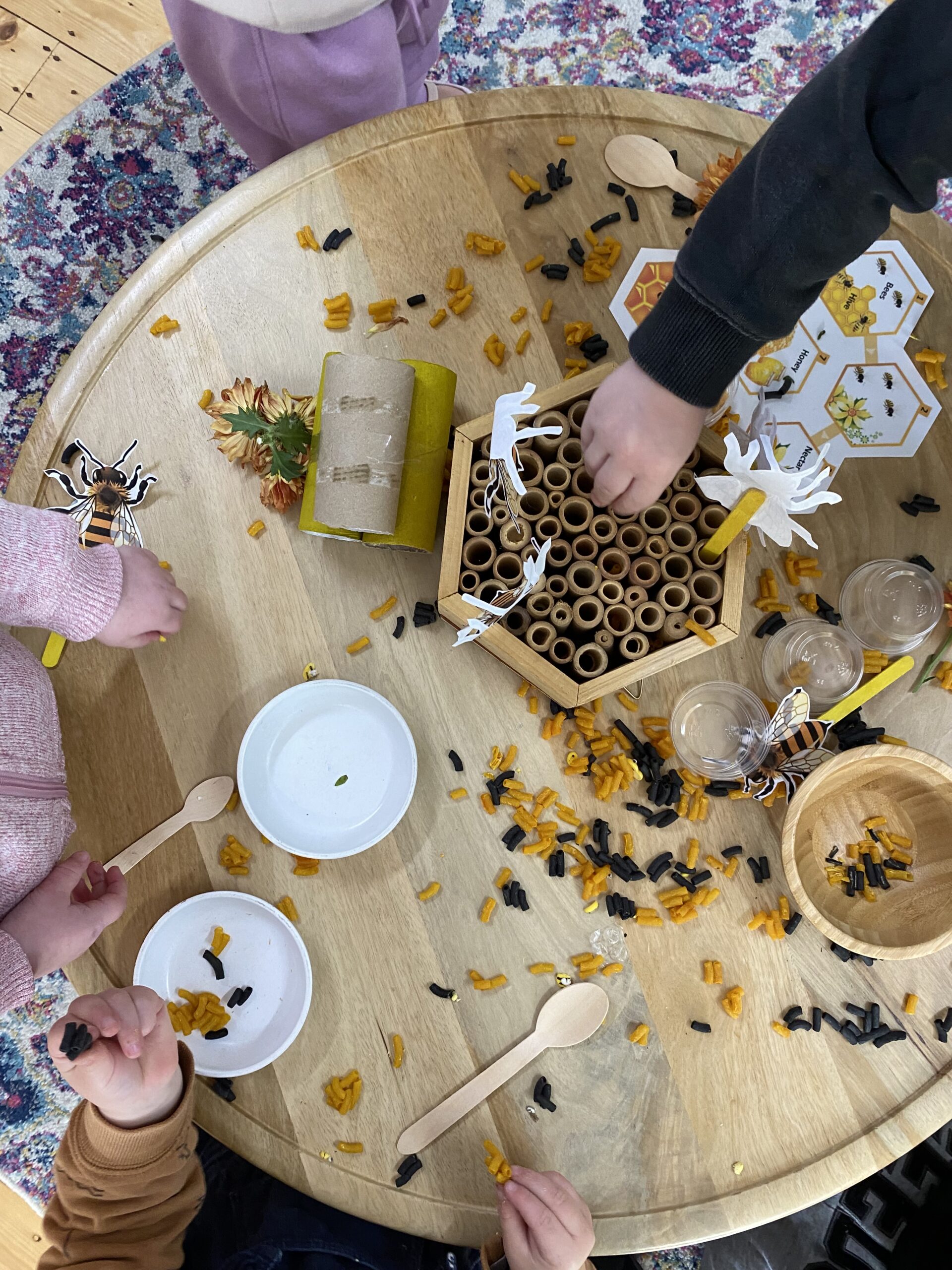
Through play-based experiences, children are introduced to sensory exploration, music and movement, creative play and early language development. These experiences support the development of social skills, communication and physical coordination while encouraging children to investigate and discover the world around them.
Daily routines also help children develop confidence and independence as they begin participating in group experiences and learning simple self-help skills.
Bunyip Room (3-5 years)
The Bunyips room supports children as they grow in independence, confidence and curiosity. In this engaging learning environment, children are encouraged to explore their interests, develop friendships and build important skills that support their development.
Educators provide play-based experiences that encourage creativity, problem solving and collaboration. Children participate in a wide range of learning opportunities including creative arts, construction play, group discussions and imaginative play.
As children progress in the Bunyips room, educators support the development of early literacy, numeracy and communication skills through meaningful and engaging experiences. Children are also encouraged to develop independence through everyday routines and responsibilities.
These experiences help children build confidence and develop the skills needed for a positive transition to school.